
As Business Spend Management in a Digital-First Economy takes center stage, this opening passage beckons readers with casual formal language style into a world crafted with good knowledge, ensuring a reading experience that is both absorbing and distinctly original.
In today's rapidly evolving digital landscape, the way businesses manage their spending plays a crucial role in determining success. This comprehensive guide delves into the realm of Business Spend Management, shedding light on key strategies and technologies reshaping financial practices.
Business Spend Management Overview
Business Spend Management (BSM) refers to the strategies and processes companies use to control and optimize their spending. It involves the entire lifecycle of spend, from procurement to payment, with the goal of maximizing cost savings, improving efficiency, and ensuring compliance.
Importance of Effective Spend Management in a Digital-First Economy
In a digital-first economy, where transactions are increasingly conducted online, effective spend management is crucial for businesses to stay competitive and profitable. By leveraging technology and data analytics, companies can gain better visibility into their spending patterns, identify cost-saving opportunities, and make more informed decisions.
- Implementing automated expense tracking systems to monitor and analyze spending in real-time.
- Utilizing e-procurement platforms to streamline purchasing processes and negotiate better deals with suppliers.
- Integrating digital payment solutions for faster and more secure transactions.
Digital Transformation in Spend Management
In today's digital-first economy, traditional spend management practices are undergoing a significant transformation. Businesses are increasingly turning to digital solutions to streamline and optimize their spend management processes.
Role of Automation and AI
Automation and Artificial Intelligence (AI) play a crucial role in enhancing Business Spend Management processes. By automating routine tasks such as data entry, invoice processing, and expense tracking, businesses can improve efficiency, accuracy, and compliance in their spend management operations.
AI-powered tools can also provide valuable insights and recommendations based on data analysis, helping organizations make more informed decisions.
Examples of Technologies in Digital Spend Management
- Expense Management Software: Tools like Concur, Expensify, or SAP Concur automate expense reporting, approval workflows, and reimbursement processes, improving visibility and control over company expenses.
- Procurement Platforms: Solutions like Coupa, Ariba, or Jaggaer leverage AI and machine learning to optimize procurement processes, supplier management, and contract negotiations, driving cost savings and efficiency.
- Analytics and Reporting Tools: Platforms such as Tableau, Power BI, or Domo enable businesses to analyze spending patterns, identify cost-saving opportunities, and track key performance indicators related to spend management.
Data Analytics in Spend Management
Data analytics plays a crucial role in optimizing business spend by providing valuable insights and actionable information to make informed decisions related to spend management.
Significance of Data Analytics in Spend Management
Data analytics tools help organizations analyze historical spending patterns, identify cost-saving opportunities, and track key performance indicators to improve overall financial health. By leveraging data analytics, businesses can gain a deeper understanding of their spending behavior, supplier performance, and market trends.
- Monitor and control expenses effectively
- Identify cost-saving opportunities
- Optimize supplier relationships
- Improve budgeting and forecasting accuracy
Metrics and KPIs in Spend Management
In order to measure the effectiveness of spend management strategies, organizations utilize various metrics and key performance indicators (KPIs) to track performance and monitor progress.
Some examples of metrics and KPIs used in spend management include:
| Metric/KPI | Description |
|---|---|
| Total Spend | Sum of all expenses incurred by the organization |
| Spend by Category | Breakdown of spending by different expense categories |
| Savings Achieved | Amount saved through cost-saving initiatives |
| Supplier Performance | Evaluation of supplier quality, delivery, and pricing |
Supplier Relationship Management
Supplier relationships play a crucial role in Business Spend Management as they directly impact the quality, cost, and timeliness of goods and services provided. Building and maintaining strong relationships with suppliers can lead to better terms, increased trust, and smoother transactions.
Strategies for Effective Supplier Relationship Management
- Clear Communication: Establish open lines of communication to ensure both parties are on the same page regarding expectations, timelines, and deliverables.
- Transparency: Be transparent about your organization's needs, constraints, and objectives to build trust with suppliers.
- Regular Feedback: Provide feedback to suppliers on their performance to help them improve and strengthen the partnership.
- Collaboration: Work collaboratively with suppliers to identify cost-saving opportunities, streamline processes, and drive innovation.
Tools and Platforms for Supplier Relationship Management
- eProcurement Systems: Platforms like Coupa, SAP Ariba, or Oracle Procurement Cloud enable organizations to manage supplier relationships, streamline procurement processes, and track supplier performance.
- Supplier Portals: Supplier portals provide a centralized platform for communication, order management, invoicing, and collaboration with suppliers.
- Supplier Scorecards: Utilizing supplier scorecards helps evaluate supplier performance based on predefined metrics, enabling data-driven decision-making and continuous improvement.
Risk Management in Spend Management
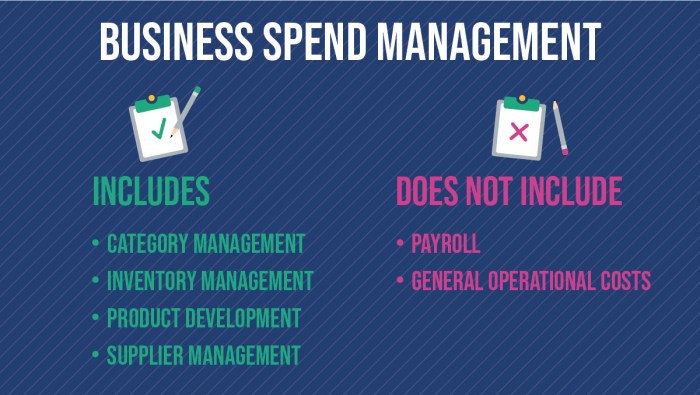
Risk management plays a crucial role in ensuring compliance and minimizing financial risks in spend management. By identifying and addressing potential risks, businesses can protect their bottom line and maintain operational efficiency. Leveraging technology is essential in this process, as it allows for real-time monitoring, analysis, and mitigation of risks in spending processes.
Role of Technology in Risk Management
Technology enables businesses to automate risk detection and response, providing insights into potential areas of concern. By using data analytics tools, companies can track spending patterns, detect anomalies, and flag unauthorized transactions. This proactive approach helps in preventing fraud, errors, and other financial risks before they escalate.
- Implementing AI-powered systems for real-time risk assessment
- Utilizing predictive analytics to forecast potential risks
- Integrating blockchain technology for secure and transparent transactions
Common Risks in Spend Management
Poor spend management practices can lead to various risks that impact a company's financial health. Some common risks include:
- Invoice fraud and payment errors
- Non-compliance with regulations and policies
- Overpayment or duplicate payments
- Vendor disputes and contract breaches
- Supply chain disruptions and delays
Closing Summary
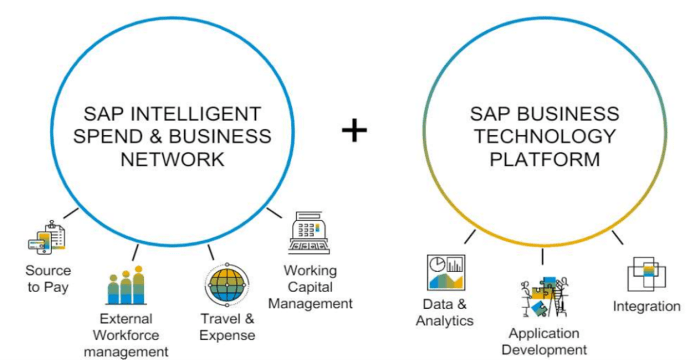
In conclusion, Business Spend Management in a Digital-First Economy is not just a trend but a necessity for modern businesses looking to thrive in a competitive market. By leveraging innovative tools and approaches, companies can streamline their spending processes and drive sustainable growth.
Embracing the digital shift in spend management is no longer an option but a strategic imperative for staying ahead of the curve.
Key Questions Answered
How important is data analytics in optimizing business spend?
Data analytics plays a crucial role in identifying spending patterns, cost-saving opportunities, and areas for improvement, ultimately enhancing financial efficiency.
What are some common risks associated with poor spend management practices?
Common risks include overspending, budget overruns, compliance issues, and missed cost-saving opportunities, which can negatively impact a company's financial health.
How can automation and AI enhance Business Spend Management processes?
Automation and AI can streamline repetitive tasks, improve accuracy in data analysis, provide real-time insights, and optimize decision-making in spend management.